Tarangire National Park: Tanzania’s Hidden Safari Gem

Introduction

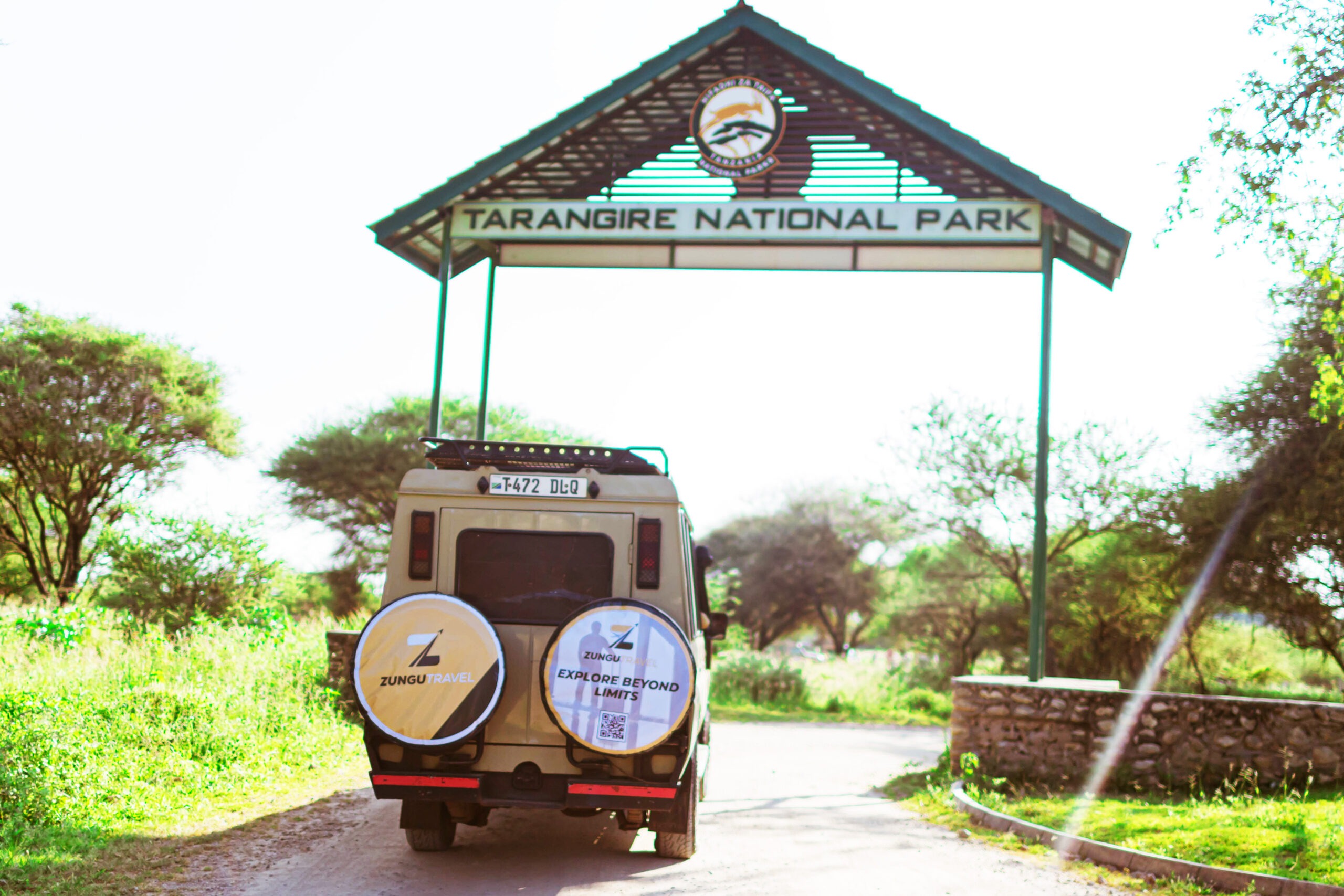
Nestled in northern Tanzania, Tarangire National Park is a breathtaking safari destination known for its vast landscapes, ancient baobab trees, and some of the largest elephant herds in Africa. Often overshadowed by the Serengeti and Ngorongoro Crater, Tarangire offers a quieter, more intimate safari experience with exceptional wildlife viewing. Whether you’re a seasoned safari-goer or a first-time traveler, Tarangire is a must-visit destination for nature lovers.


1. Location and How to Get There

Tarangire National Park is located about 118 km (73 miles) southwest of Arusha, making it a perfect stop on Tanzania’s northern safari circuit.

Getting There:

  • By Road: A 2-3 hour drive from Arusha on well-maintained roads.
  • By Air: Small airstrips serve the park, with domestic flights from Arusha, Kilimanjaro, or Serengeti.

2. Unique Features of Tarangire National Park

a) Home to the Largest Elephant Herds in Tanzania

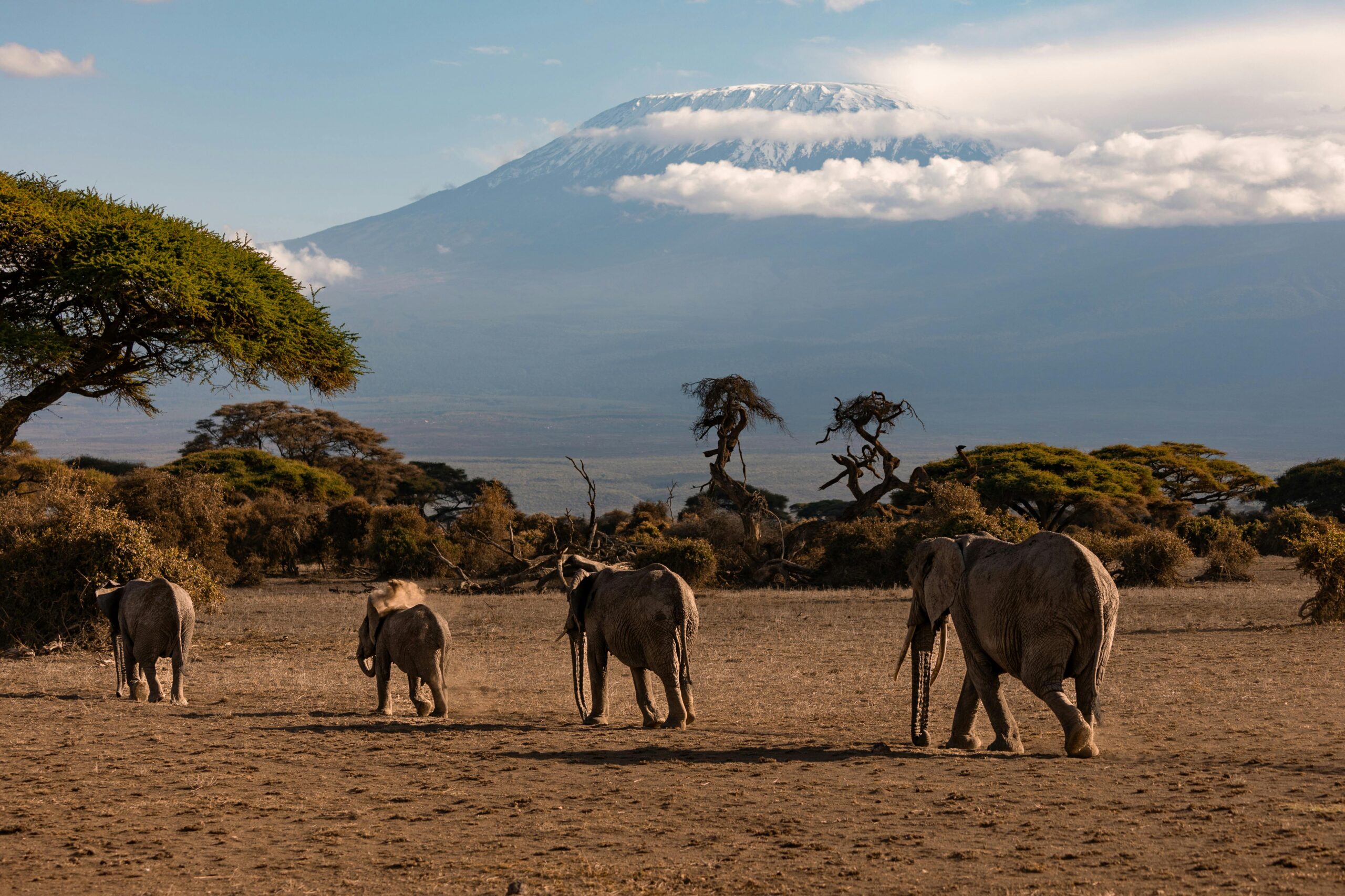
Tarangire is famous for its massive elephant population, with herds numbering in the hundreds. During the dry season (June–October), thousands of elephants migrate here, creating one of the most spectacular wildlife scenes in Africa.

b) Iconic Baobab Trees

The park’s landscape is dominated by majestic baobab trees, some of which are over 1,000 years old. These trees provide essential food and water for animals, especially during dry periods.

c) Rich Wildlife Diversity

Beyond elephants, Tarangire is home to:

  • Big Cats: Lions, leopards, and cheetahs.
  • Rare Animals: Lesser kudu, oryx, and African wild dogs.
  • Birdlife: Over 550 species, making it a birdwatcher’s paradise.
  • The Tarangire River: A lifeline for wildlife, attracting animals year-round.

3. Best Things to Do in Tarangire

a) Game Drives

Morning and afternoon game drives are the best way to explore the park. Wildlife sightings are particularly good near the Tarangire River and Silale Swamp.

b) Walking Safaris

For an up-close experience, guided walking safaris allow visitors to explore on foot with an armed ranger, learning about animal tracks, plants, and the ecosystem.

c) Night Game Drives

Unlike Serengeti and Ngorongoro, night game drives are permitted in private concessions near the park. This is a rare chance to see nocturnal animals like aardvarks, civets, and leopards hunting after dark.

d) Cultural Visits

A visit to a Maasai village near Tarangire provides insight into their traditional way of life, including their customs, dances, and warrior training.


4. Best Time to Visit Tarangire

Season Best For Wildlife Activity
Dry Season (June–October) Best overall safari High concentration of animals at water sources
Wet Season (November–May) Fewer tourists, lush landscapes Migratory birds, calving season for herbivores

The dry season is the best time for wildlife viewing, as animals gather near the Tarangire River. However, the wet season brings lush greenery and fantastic birdwatching opportunities.


5. Where to Stay in Tarangire

Luxury Lodges

  • Tarangire Treetops – Stay in treehouse-style rooms with stunning views.
  • Sanctuary Swala Camp – Exclusive luxury with top-tier service.

Mid-Range Lodges

  • Tarangire Safari Lodge – Great location with views of the river.
  • Maramboi Tented Camp – A tented safari lodge with amazing wildlife encounters.

Budget Campsites

  • Public Campsites – Basic camping inside the park for an adventurous experience.
  • Whistling Thorn Tented Camp – A comfortable budget-friendly tented camp.

6. Tarangire vs. Serengeti & Ngorongoro: Why Choose Tarangire?

Feature Tarangire Serengeti Ngorongoro
Elephant Sightings 🏆 Best in Tanzania Good Limited
Crowds Fewer tourists Very crowded Moderate
Big Cats Lions, leopards 🏆 Best for predators Good
Landscape Baobab trees & rivers Endless plains Volcanic crater

If you love elephants, fewer crowds, and stunning landscapes, Tarangire is the perfect park to visit!


Final Thoughts: Why Visit Tarangire?

Incredible elephant herds & baobab trees
Fewer crowds than Serengeti & Ngorongoro
Excellent birdwatching & rare animal species
Walking & night safaris for a unique experience

Tarangire is a hidden gem in Tanzania’s safari circuit, offering a mix of wildlife, scenery, and adventure. Whether you visit for a day trip or an extended stay, this park will leave you in awe of Africa’s natural beauty.
Cultural Tours Around Mount Kilimanjaro

In addition to trekking Mount Kilimanjaro, cultural tours in the surrounding areas offer an enriching experience to explore the traditions, lifestyles, and history of the local communities. These tours allow visitors to connect with the people who call the mountain’s slopes home, providing a deeper understanding of the region's heritage.


1. Chagga Cultural Experience

The Chagga people are the largest ethnic group living around Mount Kilimanjaro. A cultural tour in a Chagga village offers a glimpse into their way of life.

Highlights:

  • Coffee Tours: Visit smallholder coffee farms to learn about the process of growing, harvesting, and roasting coffee beans. Enjoy a freshly brewed cup of Chagga coffee.
  • Traditional Food: Taste local dishes such as banana stew, accompanied by mbege (banana beer).
  • Historical Caves: Explore ancient caves used as hiding places during tribal conflicts.
  • Furrow Irrigation: See the ingenious furrow systems that the Chagga use to channel mountain water to their farms.

2. Maasai Cultural Encounters

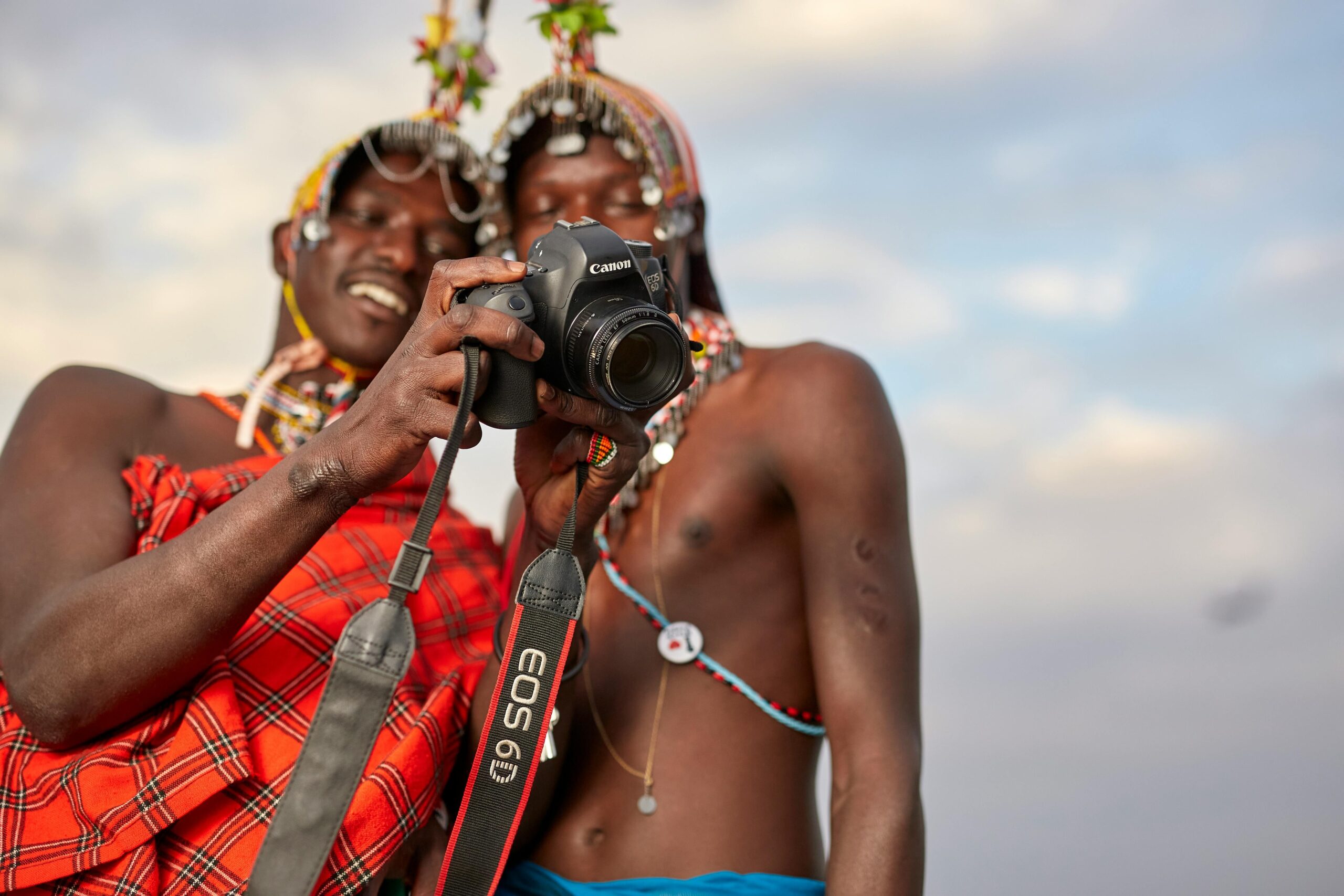
To the south and east of Kilimanjaro, the Maasai people live in their traditional bomas (homesteads). Known for their vibrant culture and iconic red attire, a visit to a Maasai village is a unique experience.

Highlights:

  • Traditional Dances: Witness and participate in the famous Maasai jumping dance (Adumu).
  • Beadwork Workshops: Learn about Maasai bead-making and create your own piece of jewelry.
  • Livestock Tours: Gain insight into the importance of cattle in Maasai culture and how they sustain their community.
  • Storytelling: Hear fascinating stories and myths passed down through generations.

3. Marangu Village Tour

Located near the Marangu Gate of Kilimanjaro National Park, this village offers a mix of cultural and natural attractions.

Highlights:

  • Kinukamori Waterfalls: A serene spot where you can relax and enjoy nature.
  • Banana Farms: Learn about the many uses of bananas in the local economy and cuisine.
  • Local Handicrafts: Purchase handmade items such as carvings, paintings, and woven baskets.

4. Mamba Village Tour

Mamba is another Chagga village that showcases their culture with a focus on traditional practices and natural wonders.

Highlights:

  • Blacksmith Demonstrations: Watch traditional blacksmiths craft tools using age-old techniques.
  • Medicinal Plants: Learn about the herbs and plants used by local healers for traditional medicine.
  • Caves and Waterfalls: Explore scenic waterfalls and caves in the area.

5. Old Moshi Tour

Old Moshi is rich in history and offers a unique perspective on Tanzania's colonial past and the Chagga culture.

Highlights:

  • German Colonial History: Visit sites from the German colonial era, including buildings and monuments.
  • Coffee and Banana Farms: Engage in a farm-to-cup coffee experience.
  • War Memorials: Learn about the role of this area in World War I and its connection to local history.

6. Local Markets

A visit to the bustling markets around Moshi and Arusha gives you a taste of everyday life:

  • Moshi Market: Shop for fresh produce, handmade crafts, and traditional textiles.
  • Tengeru Market: Experience the vibrancy of a local Tanzanian market with fresh fruits, vegetables, and Maasai products.

Why Choose Cultural Tours?

  • Authentic Experiences: Interact directly with locals and gain insights into their traditions and customs.
  • Support Communities: Many cultural tours are community-based, ensuring that your visit contributes to local development.
  • Complement to Trekking: These tours are perfect for acclimatization before climbing or as a way to unwind after your trek.

Plan Your Cultural Tour

Cultural tours around Mount Kilimanjaro can be combined with trekking or safari adventures. Tour operators often include cultural experiences in their packages or customize them to suit your interests.

Trekking Gears for Mount Kilimanjaro

Trekking Gears for Mount Kilimanjaro

To conquer Mount Kilimanjaro, you'll need reliable trekking gear for comfort, safety, and success. Below is a comprehensive list of essentials organized by categories.

1. ClothingBase Layers

  • Moisture-wicking thermal tops and bottoms (synthetic or merino wool).
  • Sports bra (for women) or moisture-wicking undershirts.

Mid Layers

  • Fleece or soft-shell jacket for insulation.
  • Lightweight down or synthetic insulated jacket.

Outer Layers

  • Waterproof, windproof jacket (e.g., Gore-Tex).
  • Waterproof hiking pants.

Trekking Pants

  • Lightweight, quick-drying hiking pants.
  • Convertible pants (optional).

Headwear

  • Wide-brim sun hat for UV protection.
  • Warm beanie or fleece hat for cold weather.
  • Buff or neck gaiter for warmth and dust protection.

Gloves

  • Lightweight, moisture-wicking inner gloves.
  • Insulated, waterproof outer gloves.

Footwear

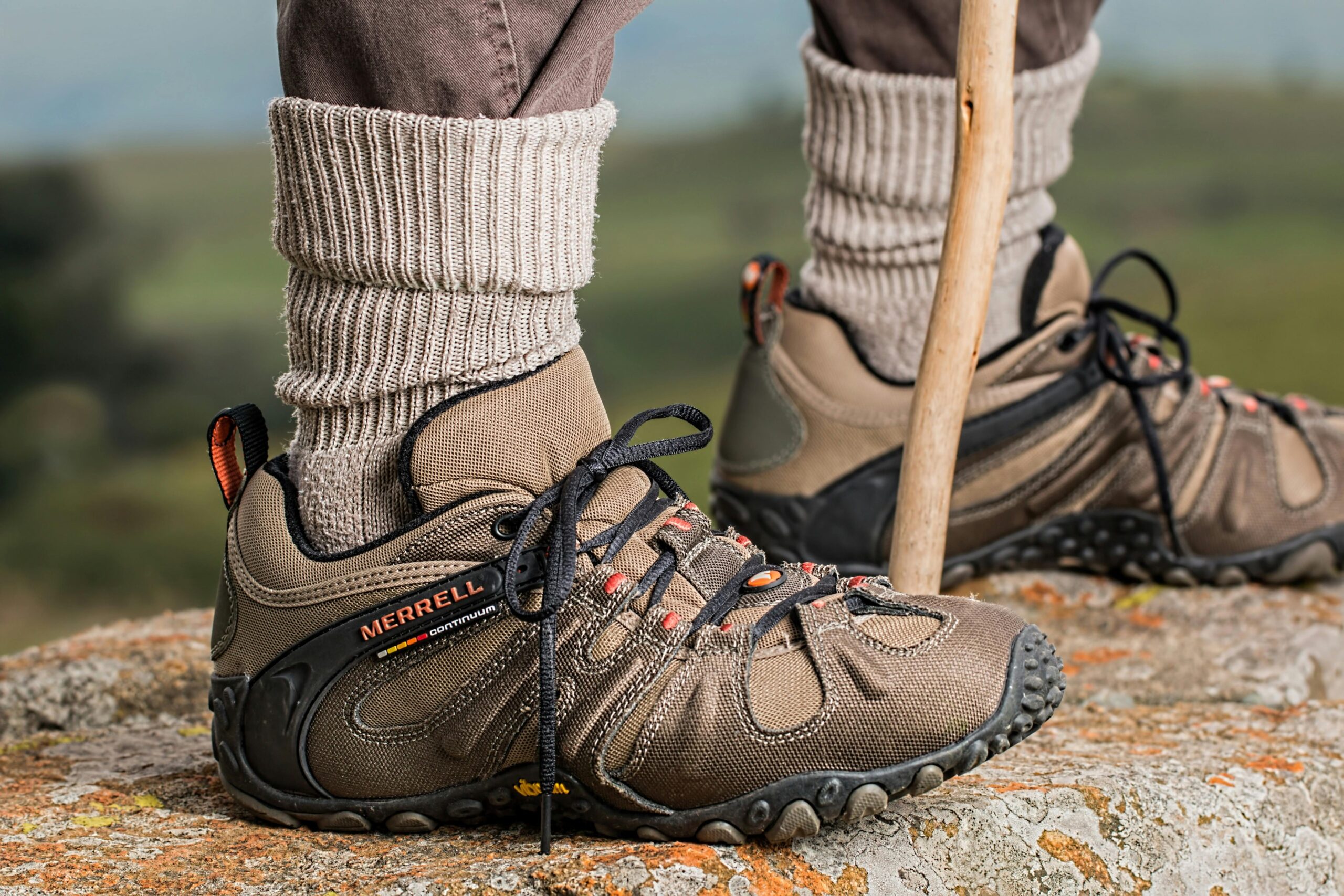
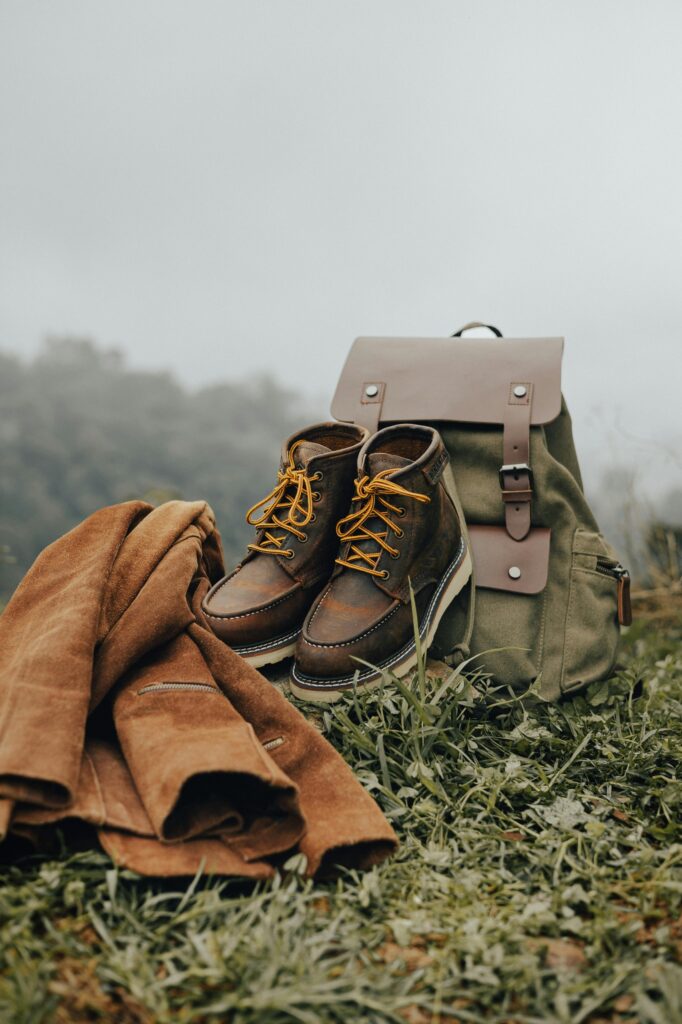
  • Waterproof hiking boots with good ankle support.
  • Camp shoes or sandals for relaxation at campsites.
  • Wool or synthetic hiking socks (3–5 pairs).
  • Sock liners to prevent blisters.

2. Accessories

  • Sunglasses with UV protection (polarized or glacier-rated).
  • Gaiters for protecting boots and lower legs from mud, snow, or debris.
  • Trekking poles to reduce strain on knees and improve stability.
  • Backpack rain cover to keep gear dry.

3. Hydration and Nutrition

  • Hydration system (2–3L bladder or bottles).
  • Insulated water bottle for summit night (to prevent freezing).
  • Electrolyte tablets or powders to stay hydrated.
  • High-energy snacks (energy bars, trail mix, etc.).

4. Sleeping Gear

  • Sleeping bag rated for -10°C to -20°C (14°F to -4°F).
  • Sleeping bag liner for extra warmth.
  • Inflatable or foam sleeping pad (if not provided by your tour operator).

5. Technical Gear

  • Headlamp with extra batteries (essential for summit night).
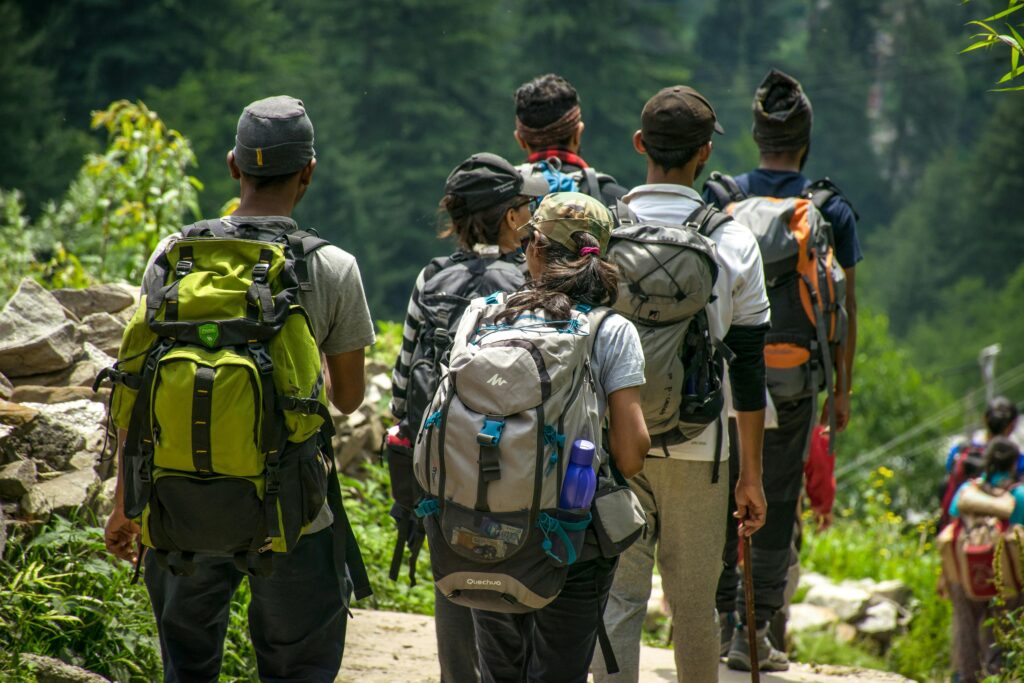
  • Backpack (30–40L) for daily essentials.
  • Duffle bag (limit 15kg/33lbs) for porters to carry.

6. Toiletries and Personal Items

  • Biodegradable soap, toothpaste, and toothbrush.
  • Wet wipes for hygiene during the trek.
  • Sunscreen (SPF 30+).
  • Lip balm with SPF.
  • Hand sanitizer.
  • Quick-drying travel towel.

7. First Aid and Health

  • Basic first-aid kit (band-aids, antiseptic cream, etc.).
  • Altitude sickness medication (e.g., Diamox).
  • Pain relievers and anti-inflammatory medication.
  • Blister care kit (moleskin, blister plasters).
  • Personal medications (e.g., for allergies or chronic conditions).

8. Optional but Recommended

  • Camera or GoPro to capture memories.
  • Power bank or solar charger for electronic devices.
  • Notebook or journal to document your journey.
  • Portable seat pad for comfort during breaks.
  • Small lock for securing your duffle bag.

Packing Tips

  1. Layering: Prioritize lightweight and packable layers.
  2. Test Gear: Ensure boots and gear are broken in to avoid discomfort.
  3. Limit Weight: Stick to the 15kg (33lbs) limit for the porter-carried duffle bag.
  4. Prepare for Weather: Pack for rain, snow, and cold at the summit.

With the right gear, you’ll be well-equipped to enjoy the adventure of climbing Mount Kilimanjaro. Let me know if you'd like a printable checklist or specific advice for your trek!